Behind The Design: A Mudroom in the Making
We wanted to take you behind the scenes of our latest project, a mudroom renovation in Mount Pleasant, South Carolina. Located just outside of downtown Charleston, Mount Pleasant, South Carolina offers streets filled with old oak trees and quick access to both downtown and the beach. The homes lean slightly more traditional and offer clients a lot more space and functionality than the historic downtown homes.
This mudroom project may only be one room, but we approached it with the same level of intention and planning that we would for an entire home. The clients plan to renovate their kitchen in the future, but they wanted to begin with the mudroom since it’s the space their family uses every single day to enter the home. It needed to be highly functional, with plenty of storage and durable materials, but also beautiful since the space will be visible from the main living room and kitchen. Designing this room first also allowed us to begin establishing the overall design direction of the home so that when the kitchen renovation begins later, everything will feel cohesive and connected.
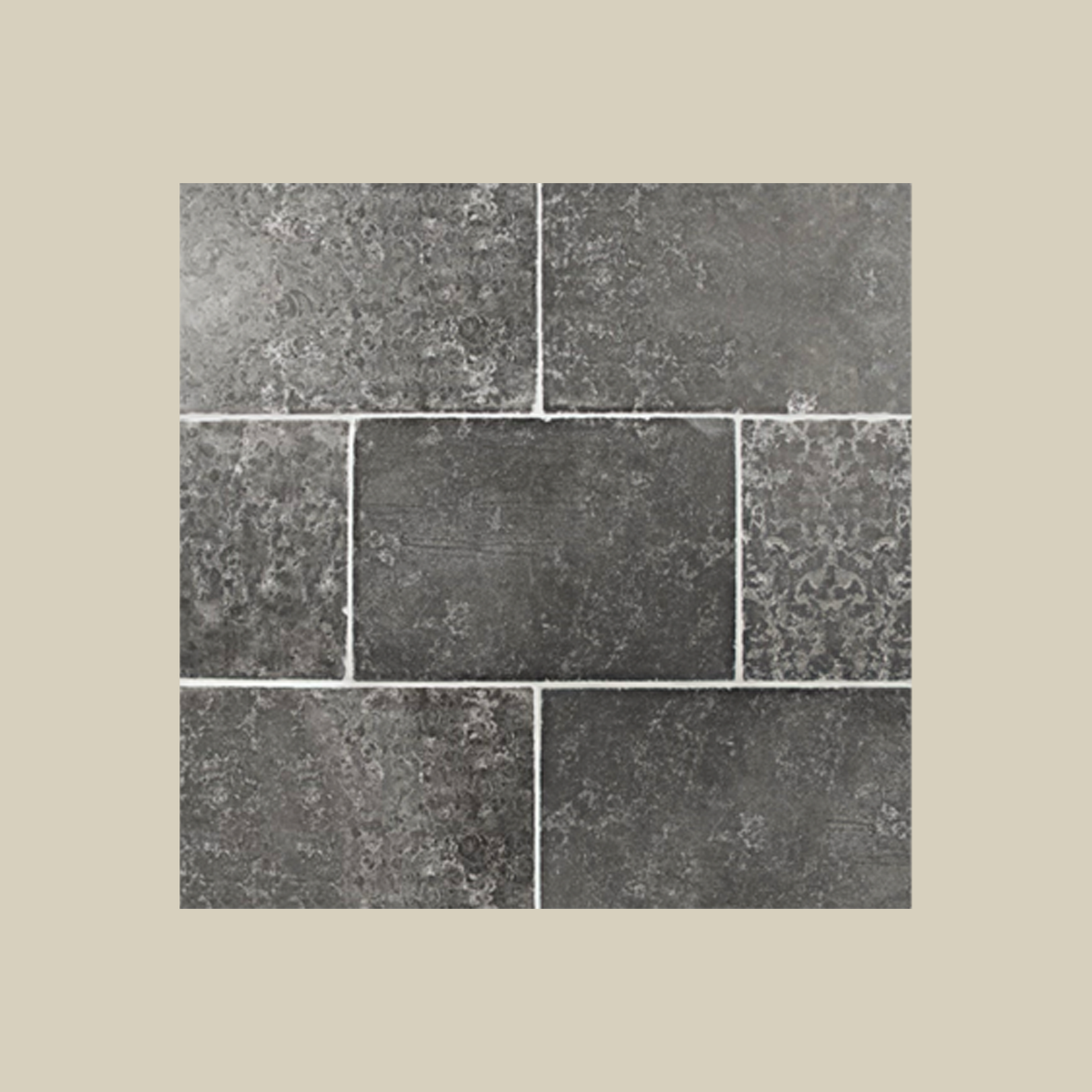
From the beginning, we focused heavily on materials that were both timeless and durable. We selected reclaimed Belgian bluestone for the floors, which brings incredible character and a sense of age to the space while also being extremely practical for a high-traffic family entry. For the cabinetry, we designed painted shaker cabinets with a small bead detail to introduce a more traditional element and a bit of visual interest without feeling overly ornate. The cabinets will be painted in a color from Farrow & Ball, which always gives cabinetry a beautiful depth and softness that feels more layered than a standard paint finish.
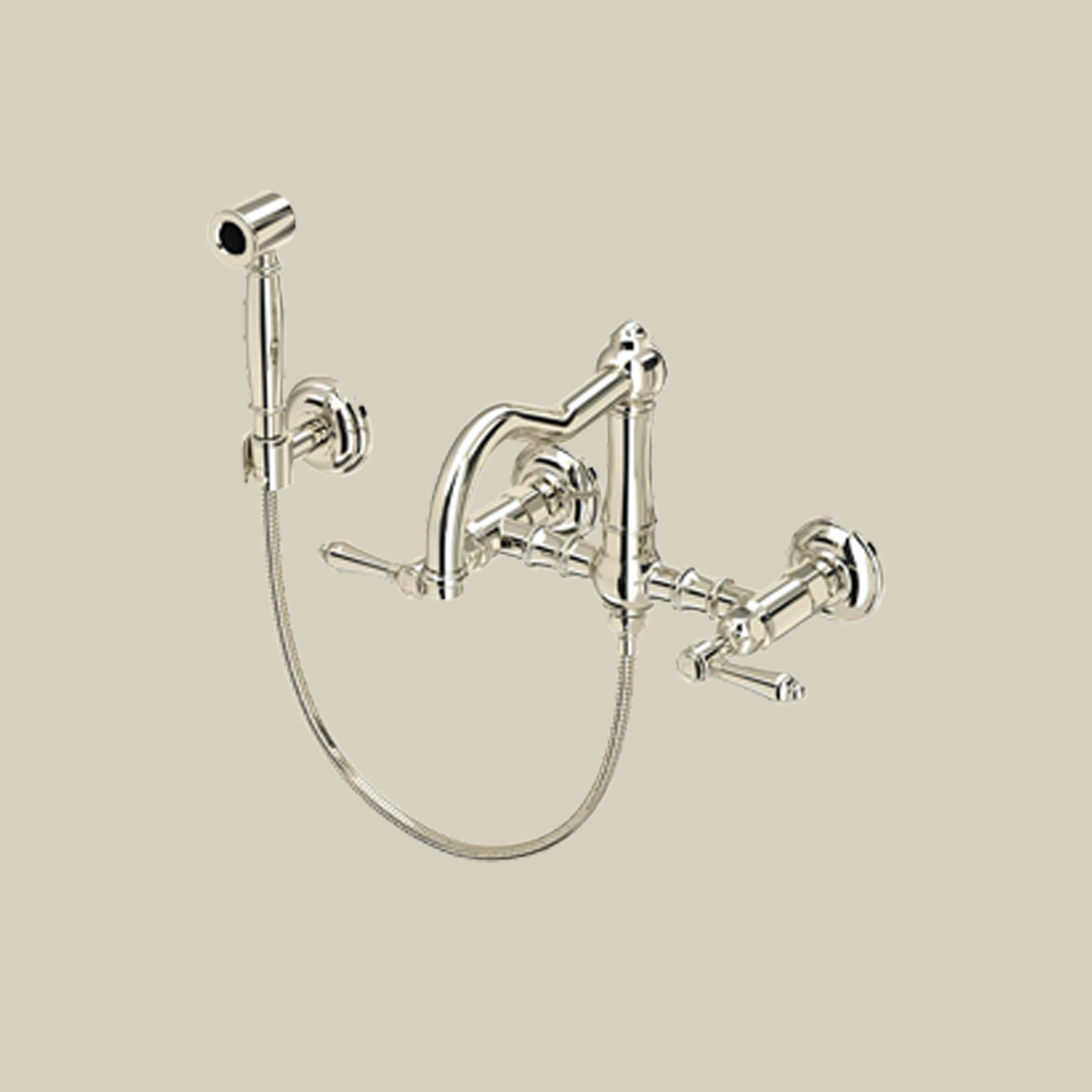
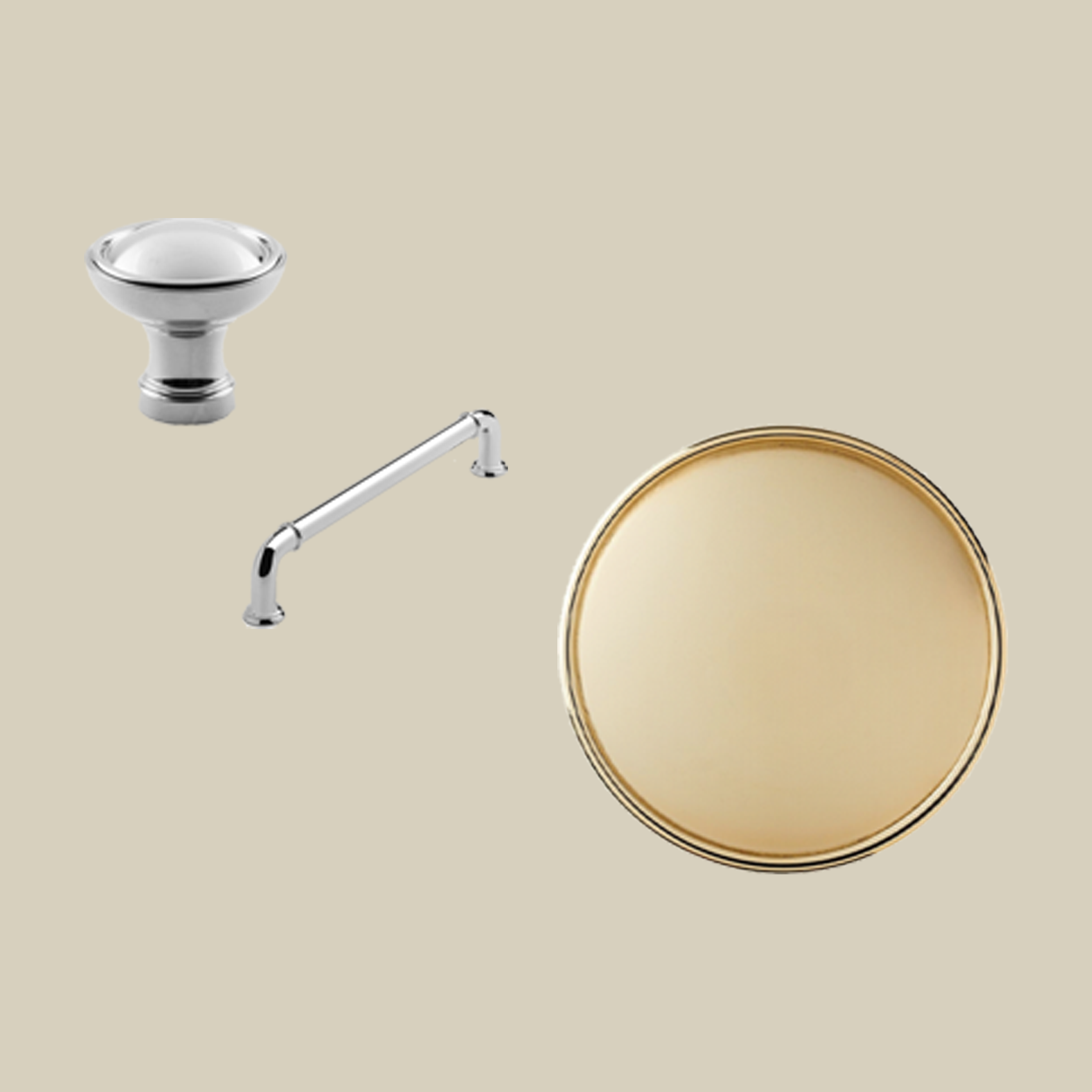
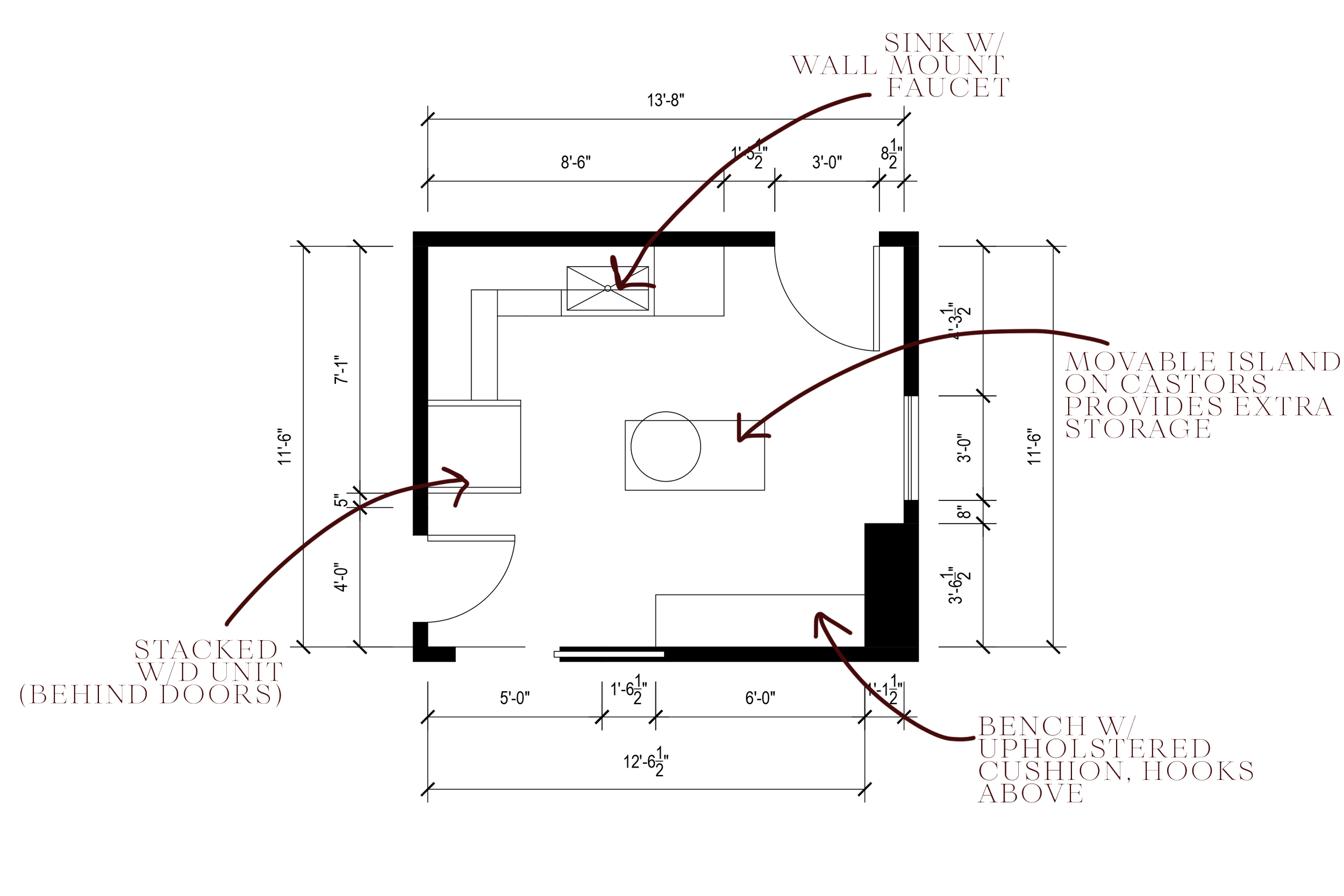
Hardware will be unlacquered brass from Classic Brass, which will naturally patina over time and add warmth to the space. At the sink, we selected a wall-mounted faucet with a sprayer, which not only saves counter space but also brings in a more traditional architectural element. Throughout the room, we tried to balance clean lines with classic details — the bead detail on the cabinets, the shape of the faucet, and the unlacquered brass all lean slightly traditional, while the overall layout and color palette keep the space feeling fresh and clean.
One of the more subtle design decisions in this room is the color palette. Instead of fully color drenching the space, we wanted to create a dynamic, almost ombré effect. The walls are a blue that leans slightly green, while the cabinets are a green that leans slightly blue. The colors relate to each other without matching exactly, which creates depth and makes the room feel more layered, interesting and dynamic.
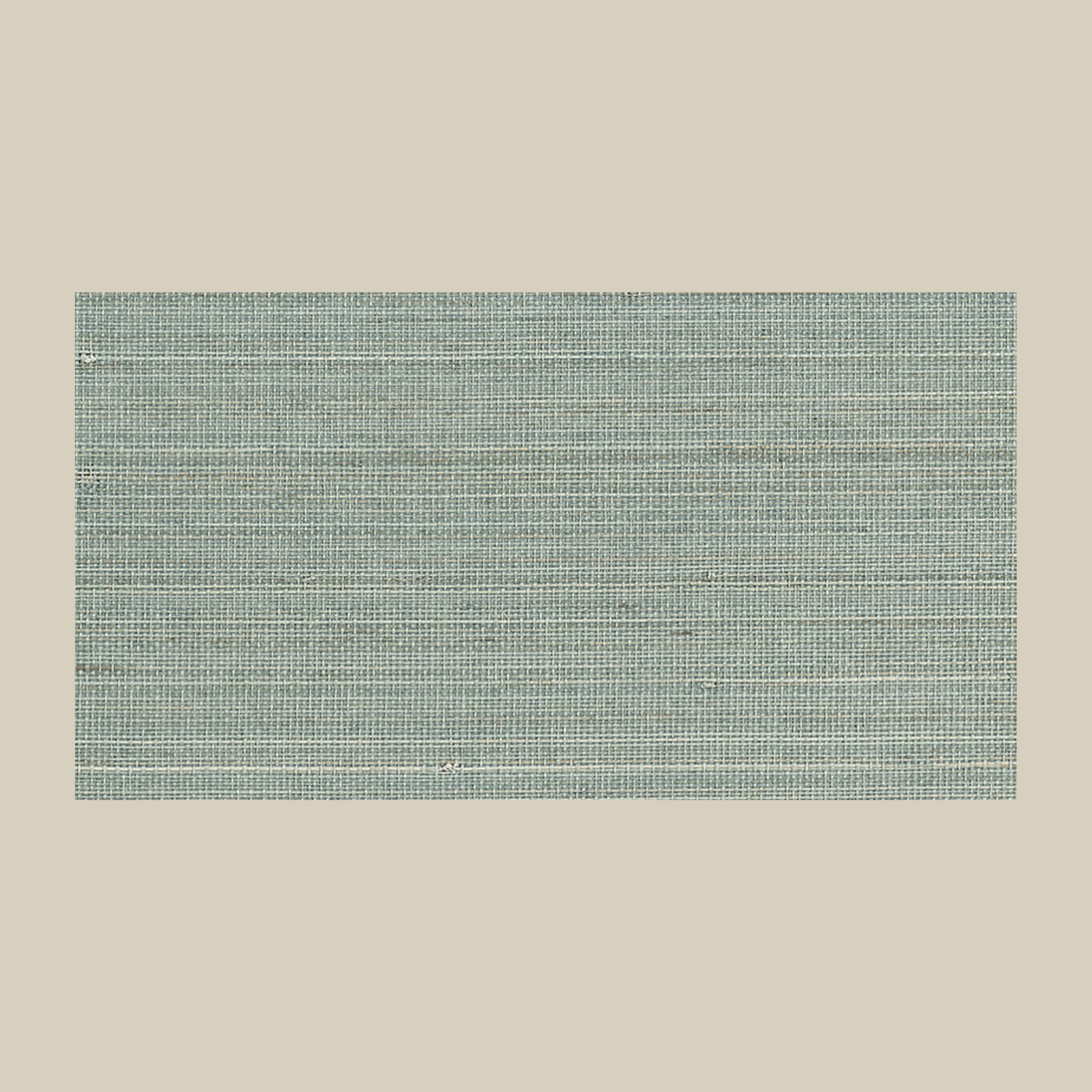
We are also covering the walls in a linen wallcovering from Phillip Jeffries, but it’s actually a vinyl product, which makes it perfect for a mudroom. It has the softness and texture of linen but can be wiped down and cleaned, which is essential in a space that will see daily traffic, dirty sports bags, shoes, and the occasional muddy dog. To soften the room even further, we’re introducing custom upholstery in the form of a bench cushion and a Roman shade. These elements help balance the harder materials like stone, cabinetry, and metal plumbing fixtures, and make the room feel more like an extension of the home rather than just a utility space.
Even though this is just one room, it sets the tone for future renovations and establishes a material palette and design direction that we can carry into the kitchen and beyond. It’s a perfect example of how thoughtful design, even in a smaller space, can have a big impact on how a home looks, feels, and functions every day.