

5 Benefits of Hiring an Interior Designer
Design Is Only Part of the Job: What You’re Really Getting When You Hire an Interior Designer
When most people think about hiring an interior designer, they picture finish selections, furniture, and making things look beautiful. And while that is certainly part of what we do, it’s only a small piece of the overall value a designer brings to your home project.
Behind every cohesive, well-executed space is a tremendous amount of planning, coordination, problem-solving, and strategic decision-making — much of which happens quietly in the background. Whether you’re renovating a historic home or building new, having the right design team in place can completely change not only the final result, but the entire experience along the way.
Here are five ways working with a designer supports your project far beyond aesthetics.
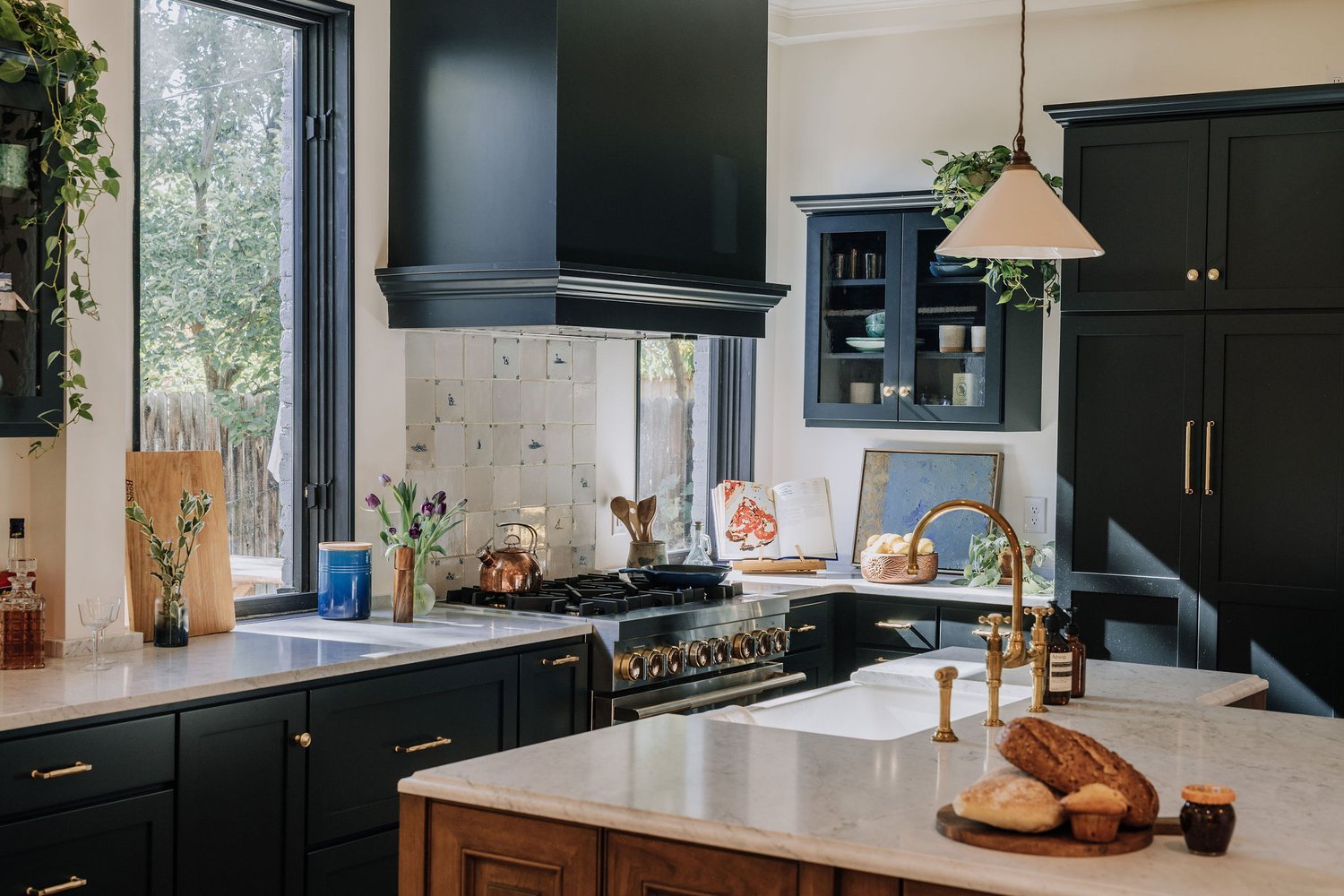
Historic Victorian Renovation
Project completed as senior interior designer for Brayton Interiors. Full project listed under Resume.
1. Access to Elevated Sources and One-of-a-Kind Pieces
It is literally our job to stay immersed in sourcing. From artisans and small makers to trade-only vendors and custom fabricators, we are constantly discovering, vetting, and building relationships with the people who create truly special products.
This means your home isn’t limited to what’s trending online or available through big box retailers. Instead, we’re able to layer in materials, finishes, and furnishings that feel personal, collected, and unique to you.
Strong sourcing also allows us to be creative with budget allocation. Because we understand what’s available at different price points and quality levels, we can recommend where it makes sense to invest and where more cost-effective options will still deliver the right look and performance — all while maintaining a high-end, cohesive result.
2. Strategic Budget Allocation That Supports the Whole Home
Design isn’t about making every single item expensive. It’s about understanding where your budget will make the biggest impact.
We approach budgets strategically, guiding investment toward the elements that carry the most visual weight and long-term value — things like layout, cabinetry, architectural details, and key statement pieces. At the same time, we identify areas where it’s perfectly appropriate to pull back without compromising the overall feel of the space.
This balance is what allows a home to read as elevated and intentional rather than a mix of splurges and compromises. Instead of reacting to costs as they arise, we’re proactively shaping the budget to support the full design vision from the start.
3. Clear Communication With Your GC and Trades
A successful project depends on more than good design — it requires clear communication between everyone involved.
We speak the language of construction, understand typical building standards and sequencing, and know what information contractors actually need in order to execute a design correctly. That’s why we provide detailed drawings, specifications, and finish schedules to hand off to your GC and trades.
This level of clarity reduces guesswork, minimizes costly mistakes, and helps keep timelines on track. It also allows you, as the homeowner, to step out of the middle of technical conversations and trust that the details are being handled professionally.
In many ways, we act as the bridge between the design vision and the reality of construction.
4. Built-In Problem Solving Throughout the Process
Every renovation or build comes with challenges. Lead times change. Shipments get damaged. Unexpected conditions are discovered behind walls. Timelines shift.
While these moments can feel stressful — especially if this is your first major home project — they are part of our everyday workflow. We don’t bring a problem to a client without already working through possible solutions.
Because we work with many of the same vendors, fabricators, and trades on a regular basis, we have established relationships and know who to call when something needs to be expedited, replaced, or reworked. We understand what alternatives are available and how to pivot quickly without derailing the entire project.
Instead of reacting emotionally to setbacks, we manage them strategically.
5. Protecting the Design Vision When Plans Have to Pivot
One of the most important — and least visible — roles of a designer is protecting the overall vision of your home from start to finish.
During construction, it’s very normal to have to pivot due to structural findings, material availability, budget shifts, or discoveries in older and historic homes. What matters most in those moments is having someone who can make confident, informed decisions without losing sight of the original design intent.
Our role is to assess the options, weigh the trade-offs, and make game-time calls that keep the project moving forward while still supporting the bigger picture. This is how homes remain cohesive and intentional, rather than slowly turning into a series of disconnected compromises.
Instead of letting circumstances dictate the outcome, we guide the project through change with clarity and purpose.
More Than a Beautiful Result — A Better Experience
At the end of the day, great design is not just about how your home looks. It’s about how the entire process feels.
It’s about having someone managing the details, protecting your investment, and making thoughtful decisions on your behalf — so you can focus on the excitement of creating a home you love, rather than the stress of managing a complex project on your own.
Design is only part of the job.
But it’s the experience, leadership, and strategy behind the scenes that truly make the difference.