
HOT OFF THE PRESS: Homes & Gardens
QUOTED: Not Every Space Needs to Be Filled
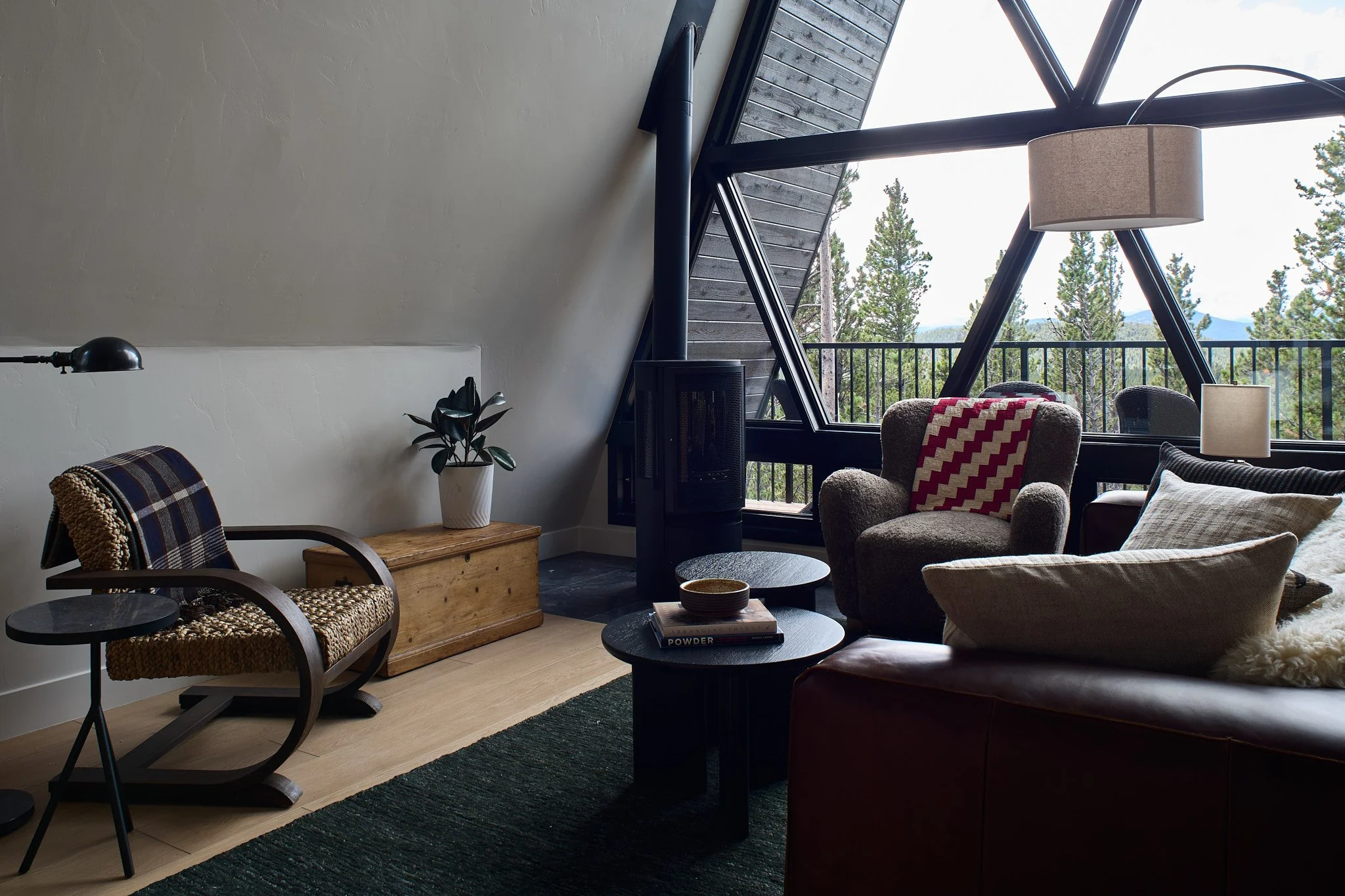
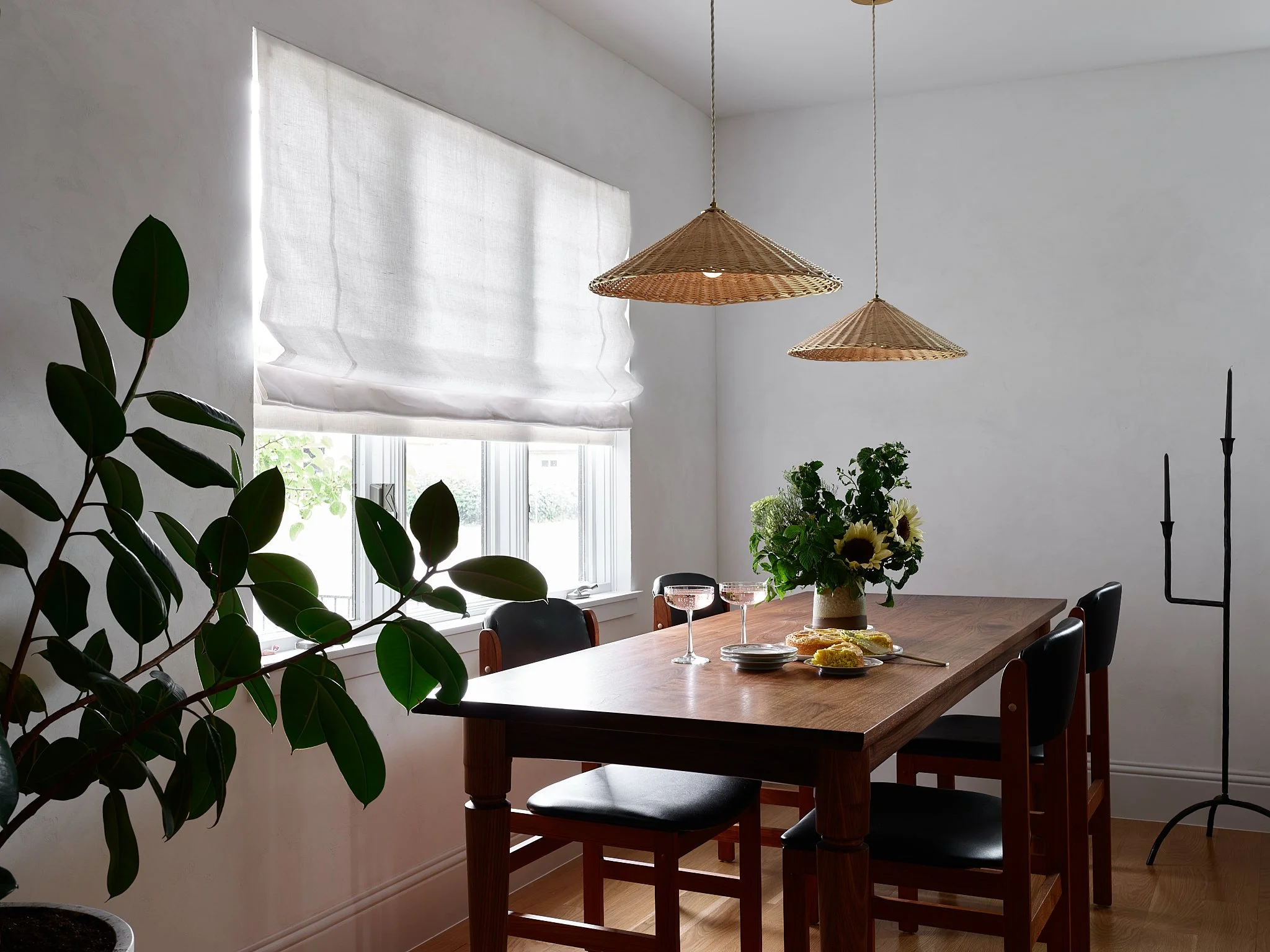
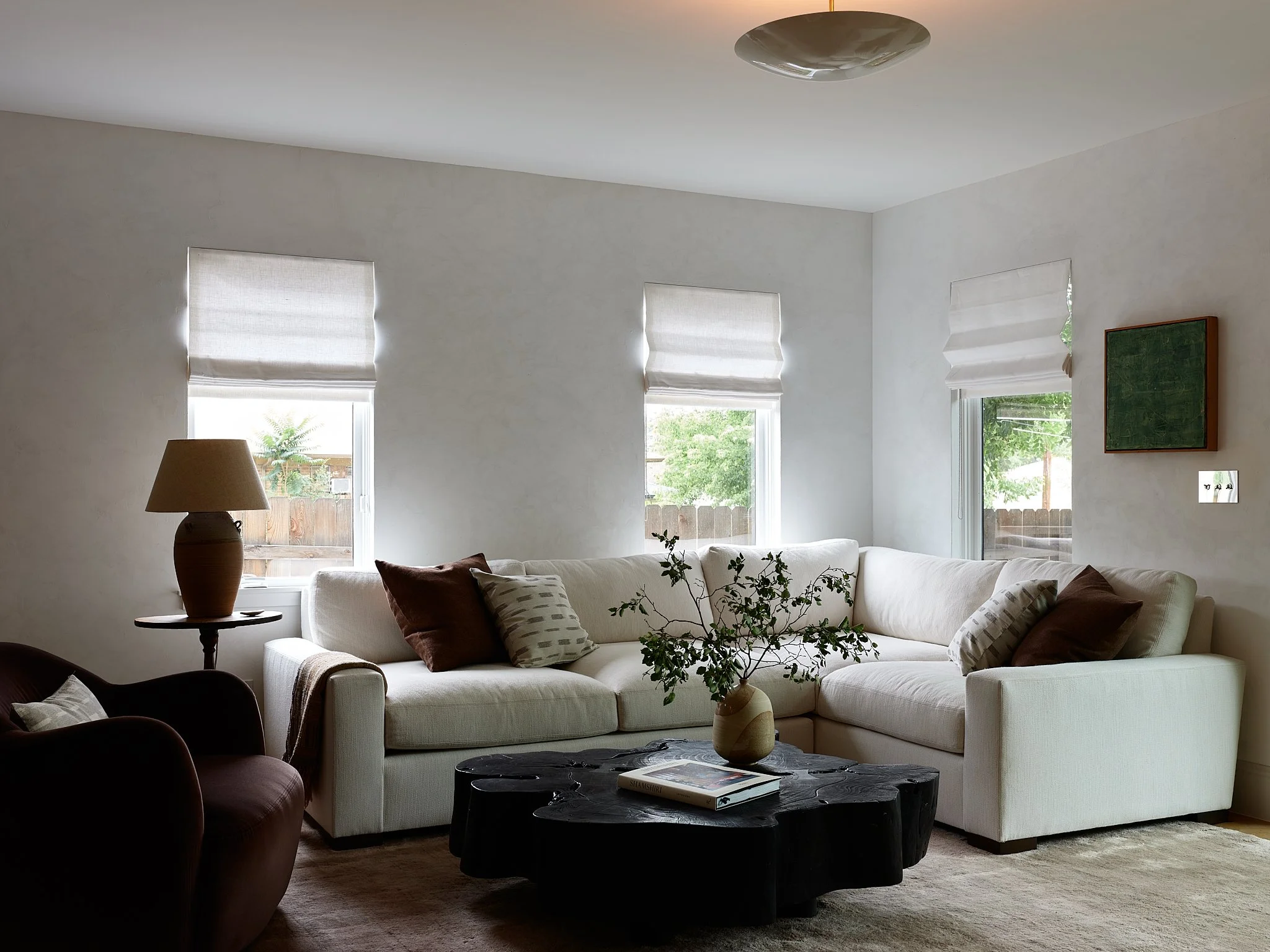
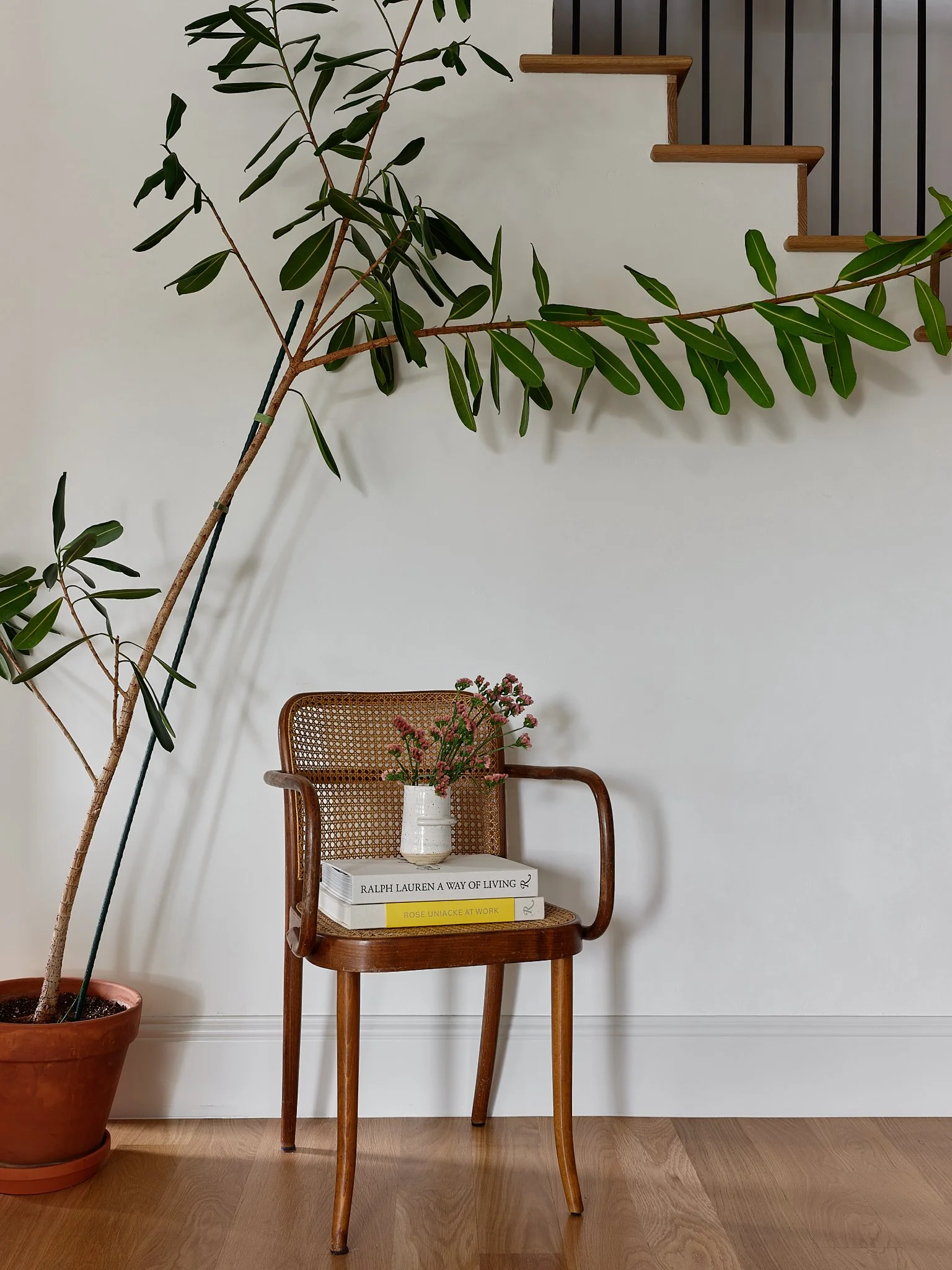
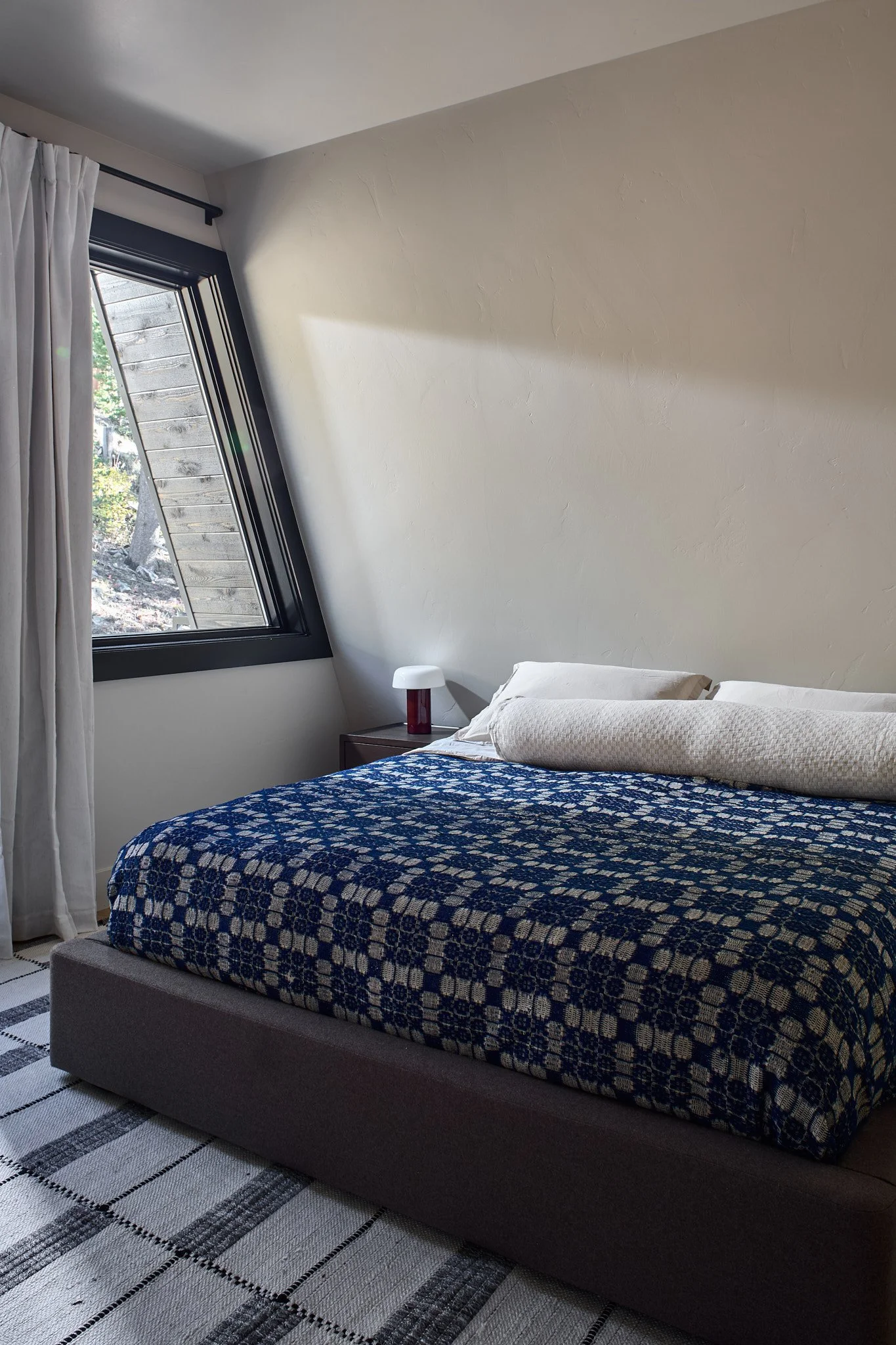
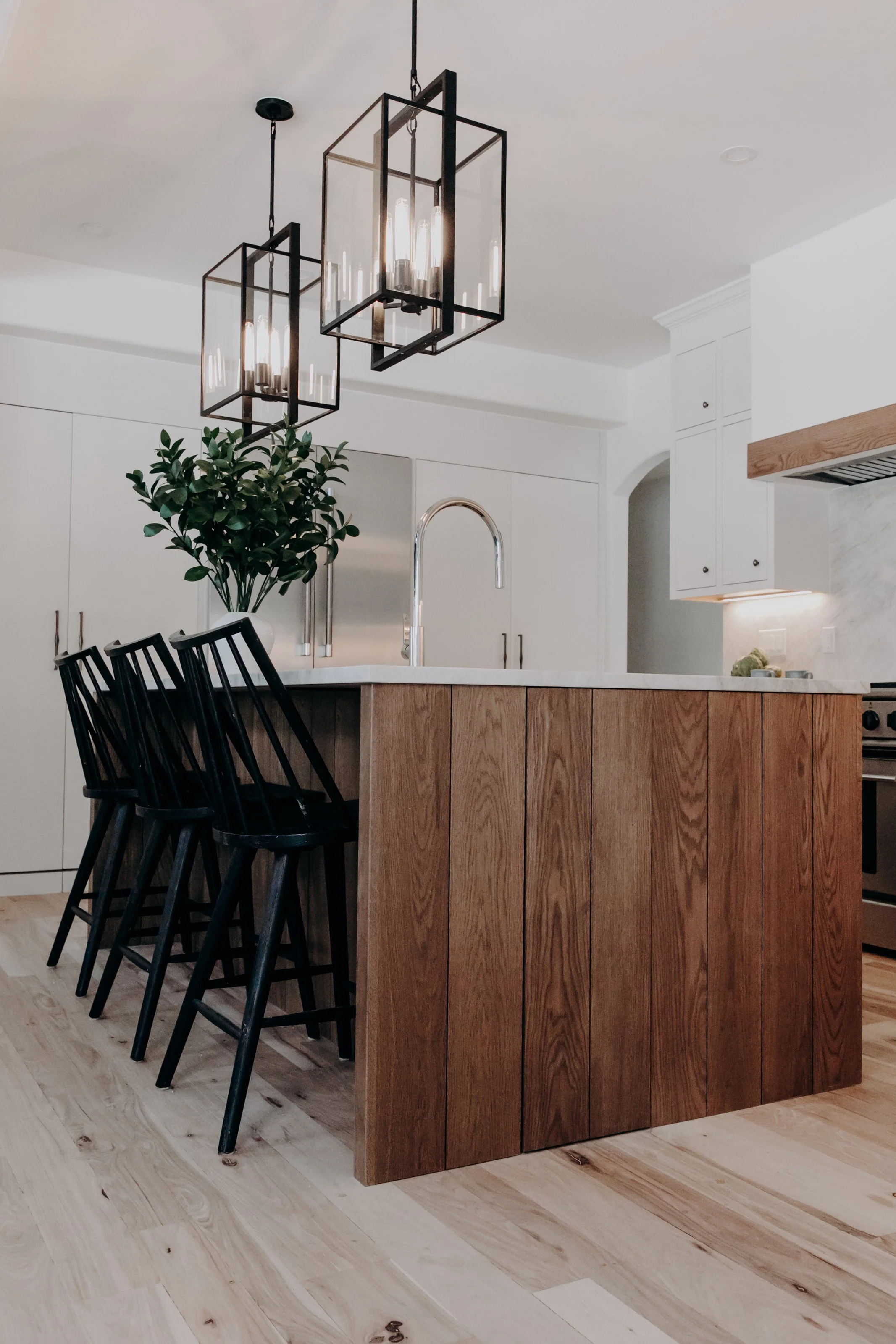
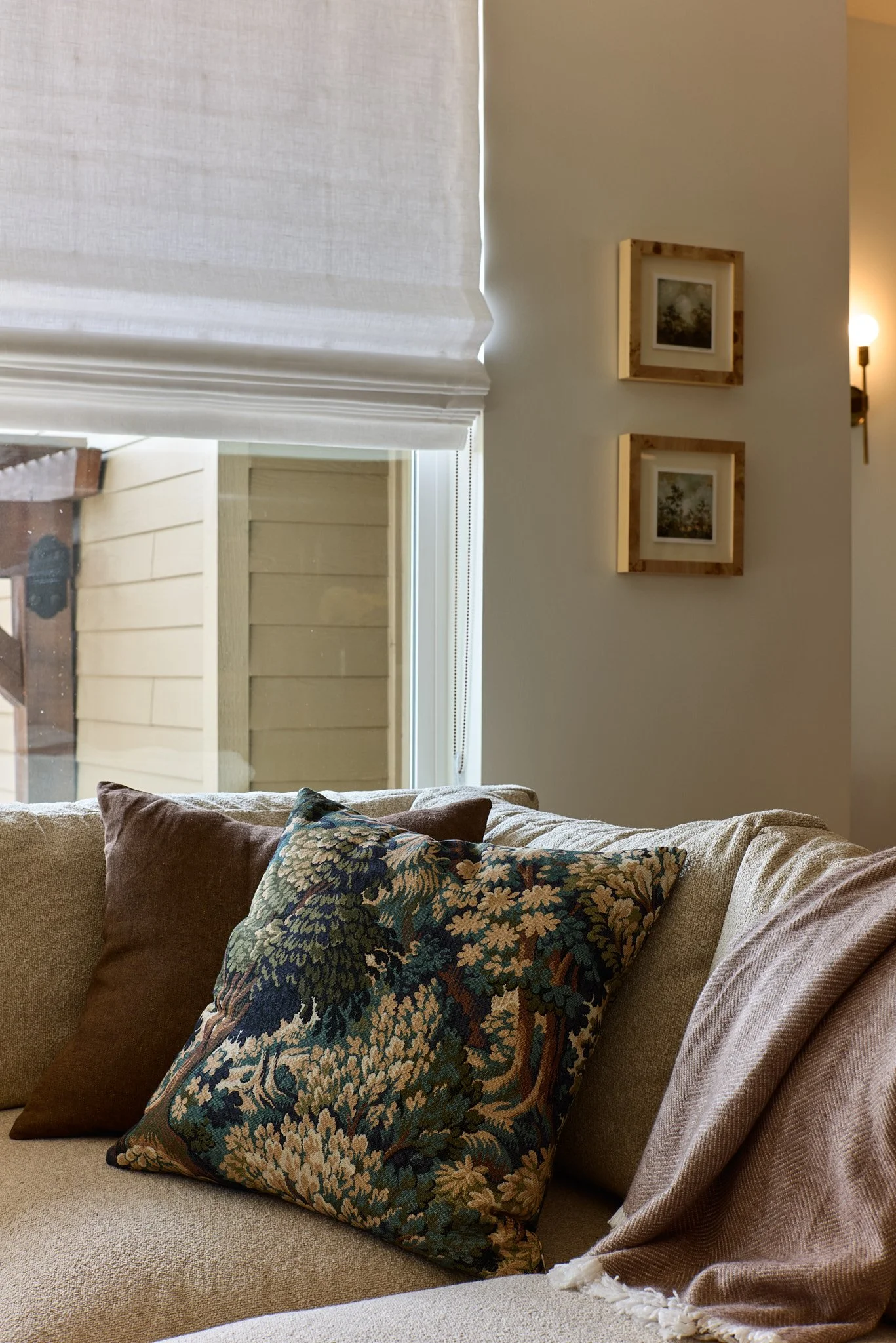
In interior design, there’s a powerful principle that’s often misunderstood: not every space needs to be filled. In a recent feature with Homes & Gardens, I talked about how negative space — the intentional absence of objects — can be one of the strongest tools in creating a balanced, calming, and intentional home.
What Is Negative Space (and Why It Matters)
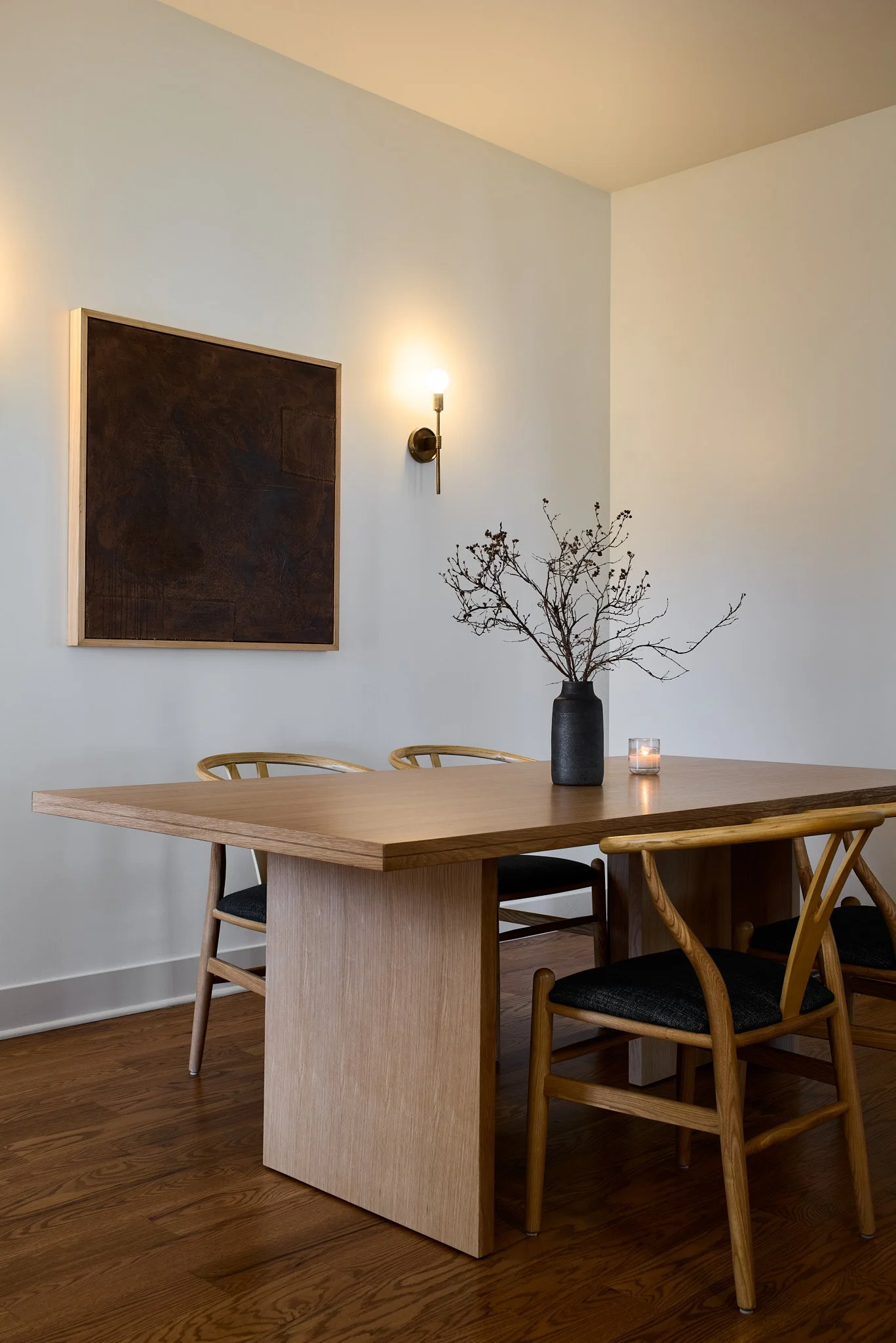
Negative space isn’t “nothing.” Instead, it’s breathing room: the quiet area around furniture, art, or architectural features that gives them presence and importance. Designers use negative space to prevent overcrowding, to enhance the eye’s natural flow through a room, and to create harmony between objects and structure.
In the Homes & Gardens article, I emphasized a truth many homeowners struggle with: “Not every space needs to be filled. Sometimes empty space is not just okay, but it’s needed in order to create balance.” Too often, clients ask, “But what should go on this wall?” when really, sometimes the answer is nothing… and that’s okay!
How Negative Space Elevates Your Home
Here’s how embracing purposeful gaps in your design can elevate your interiors:
1. Highlights Key Pieces
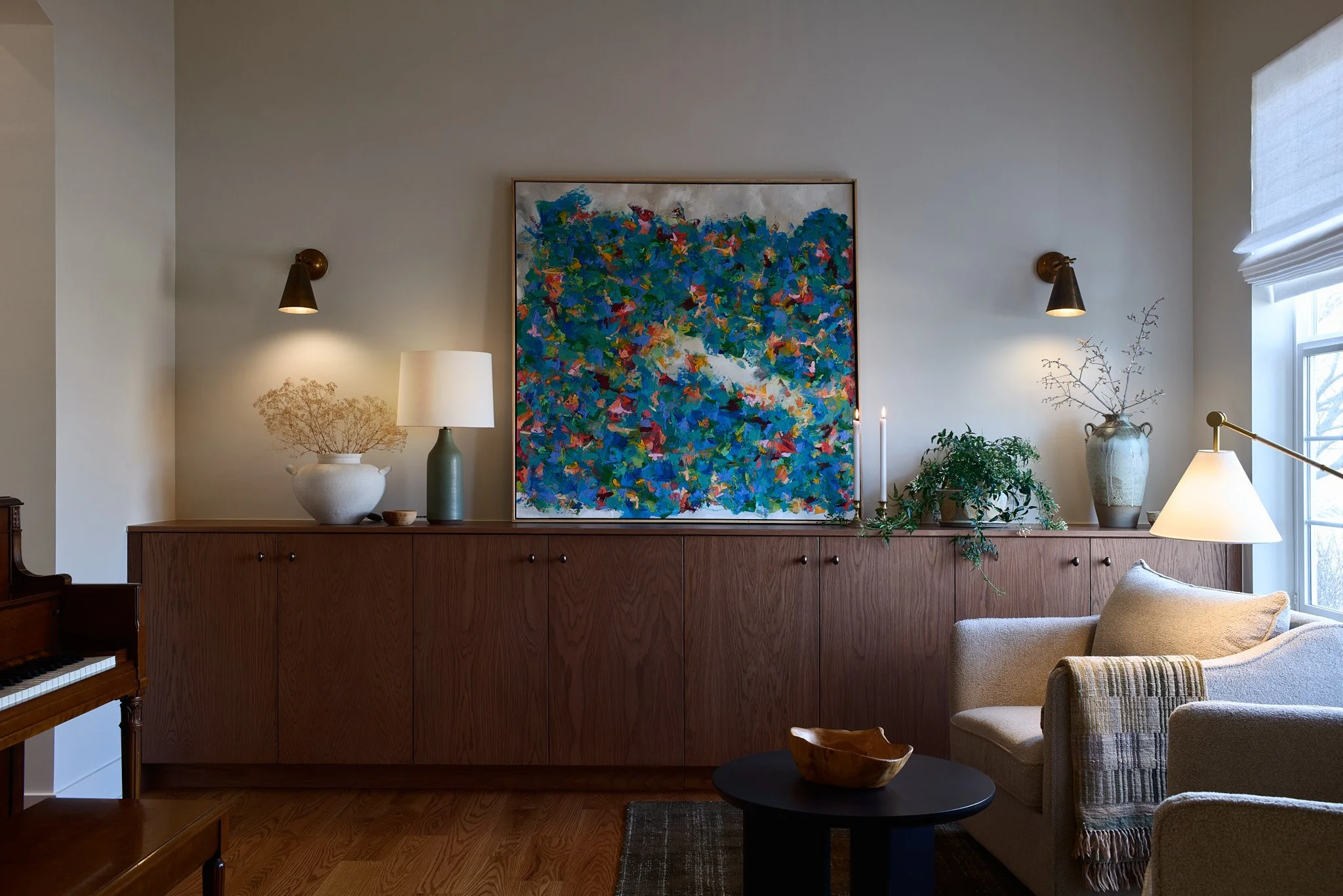
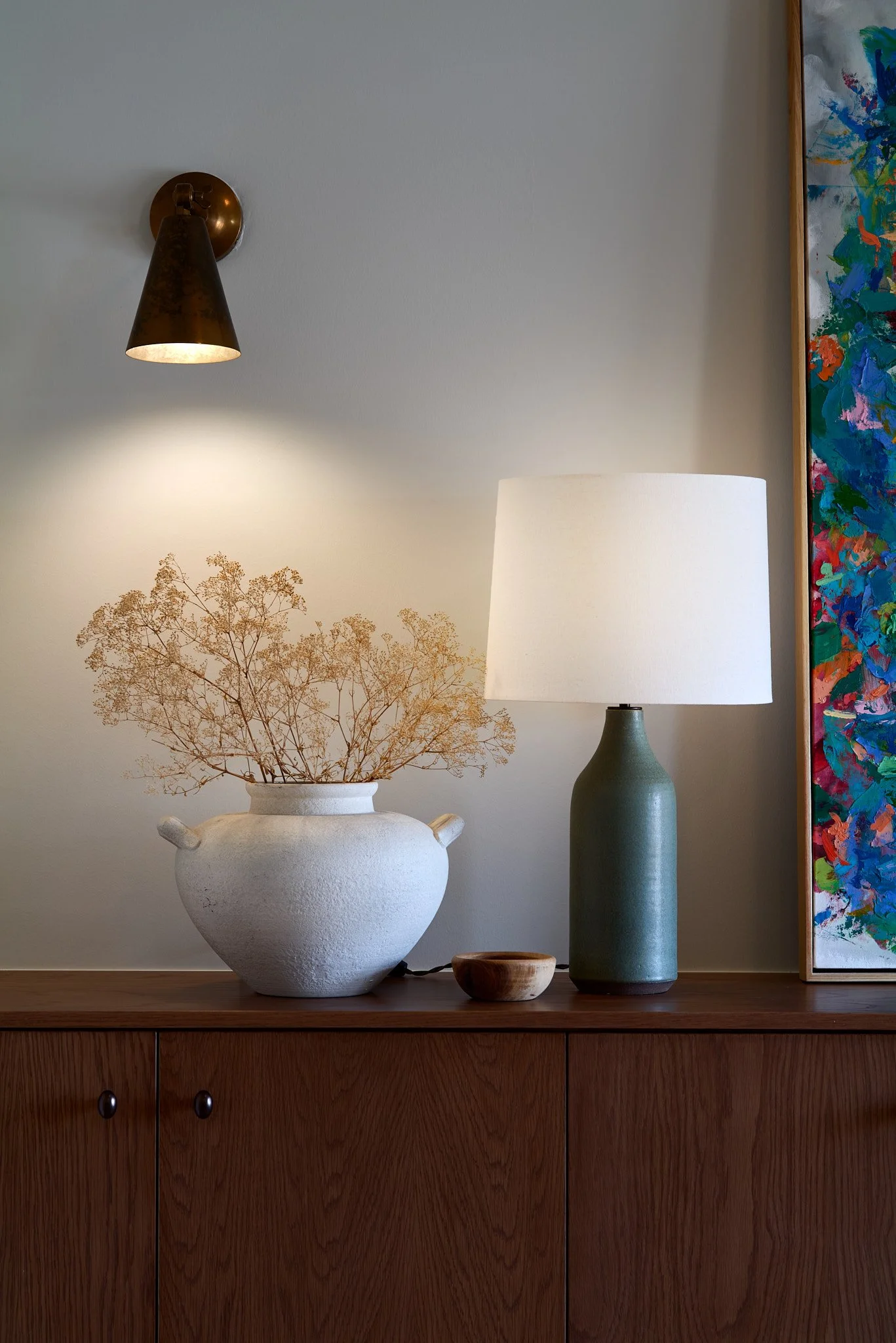
By allowing standout items, like curated artwork, a sculptural chair, or a statement fireplace, this allows for room to breathe, each element feels more intentional and luxurious.
2. Enhances Architectural Features
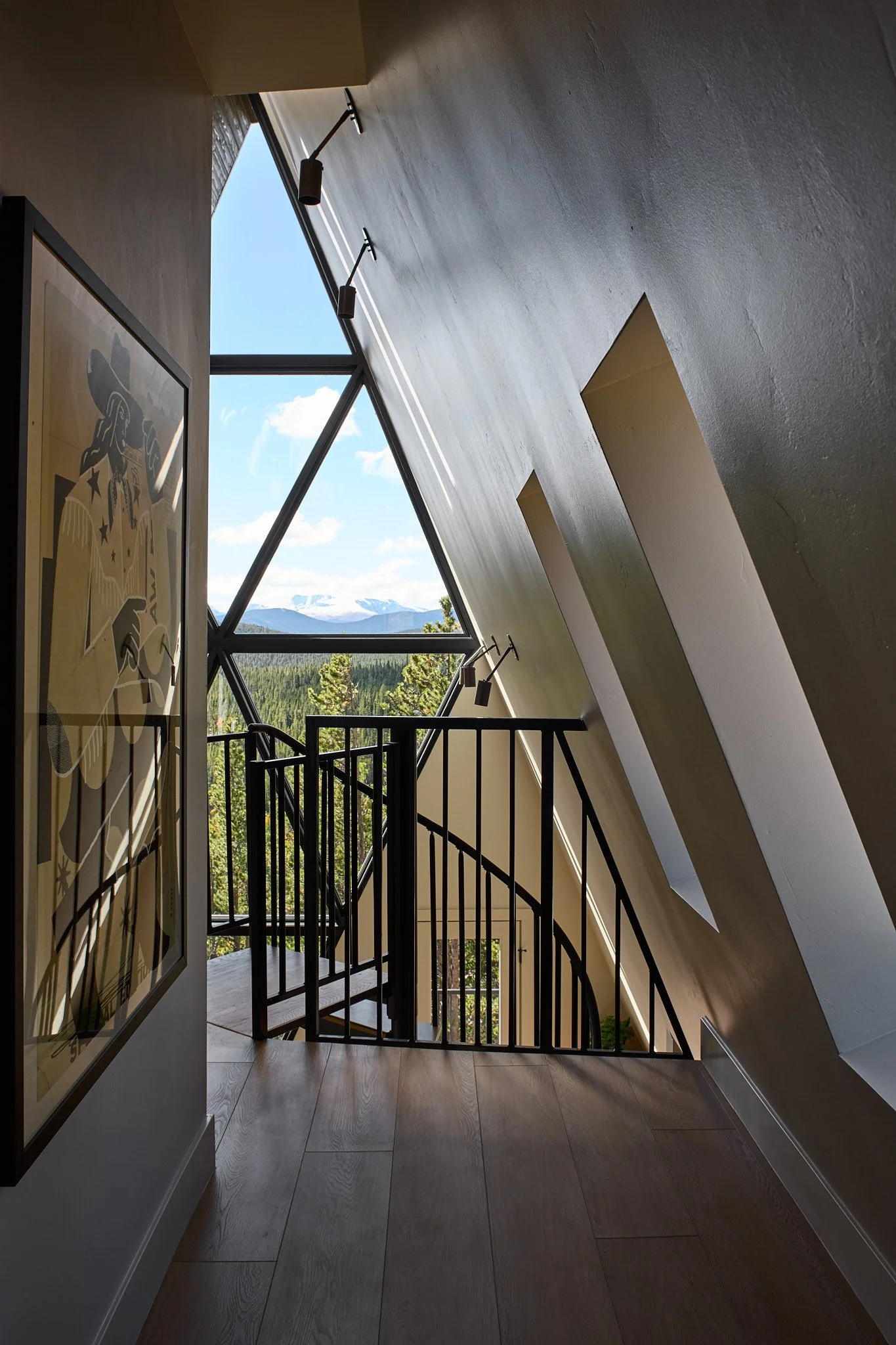
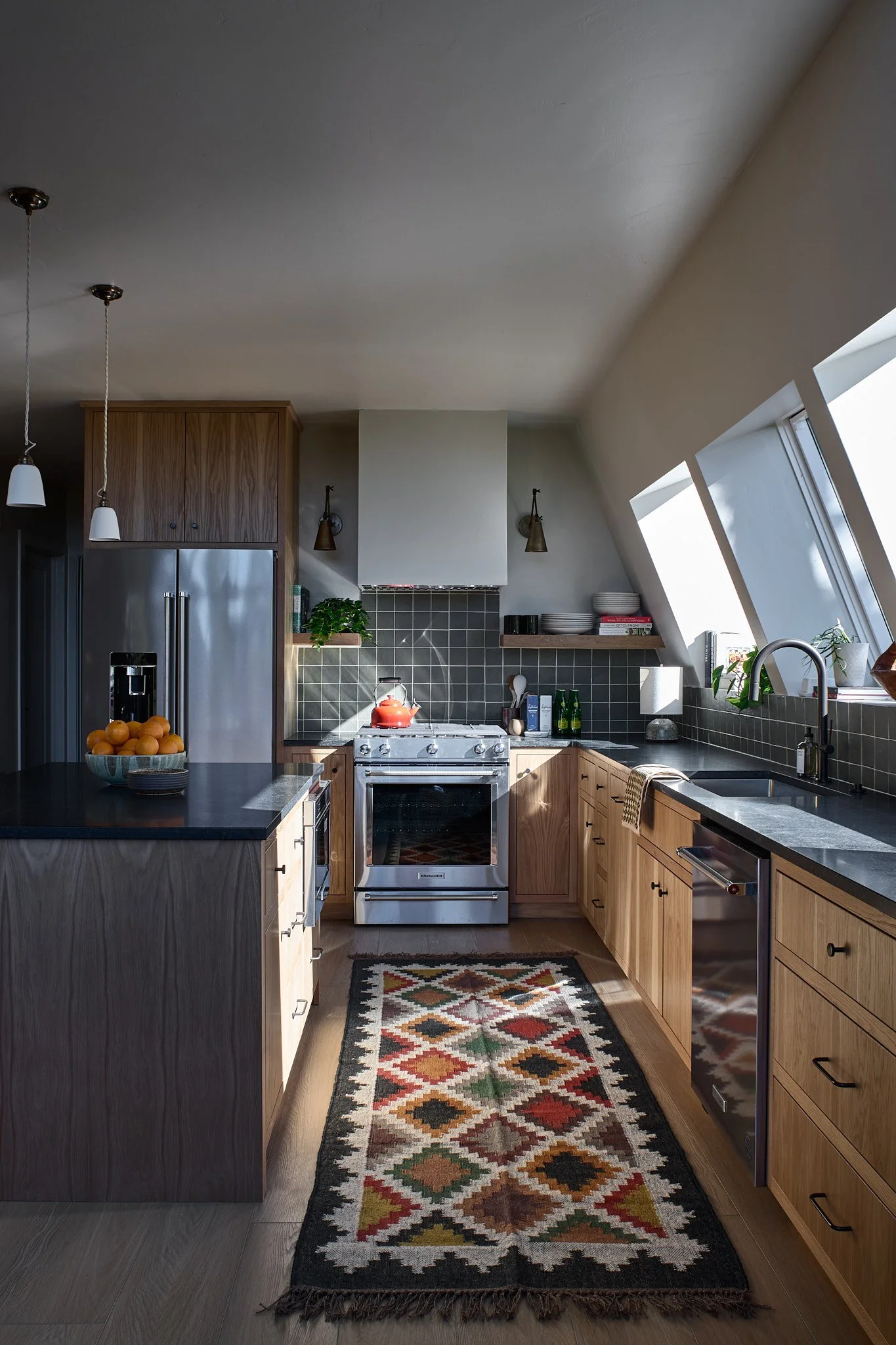
Negative space draws attention to beautiful architectural details like custom built-ins, tall ceilings, windows, or original moldings without competing for attention.
3. Improves Flow and Function
An open layout doesn’t just look elegant, it supports how you live, it guides movement, and it keeps circulation feeling effortless and uncluttered.
4. Creates Visual Rhythm
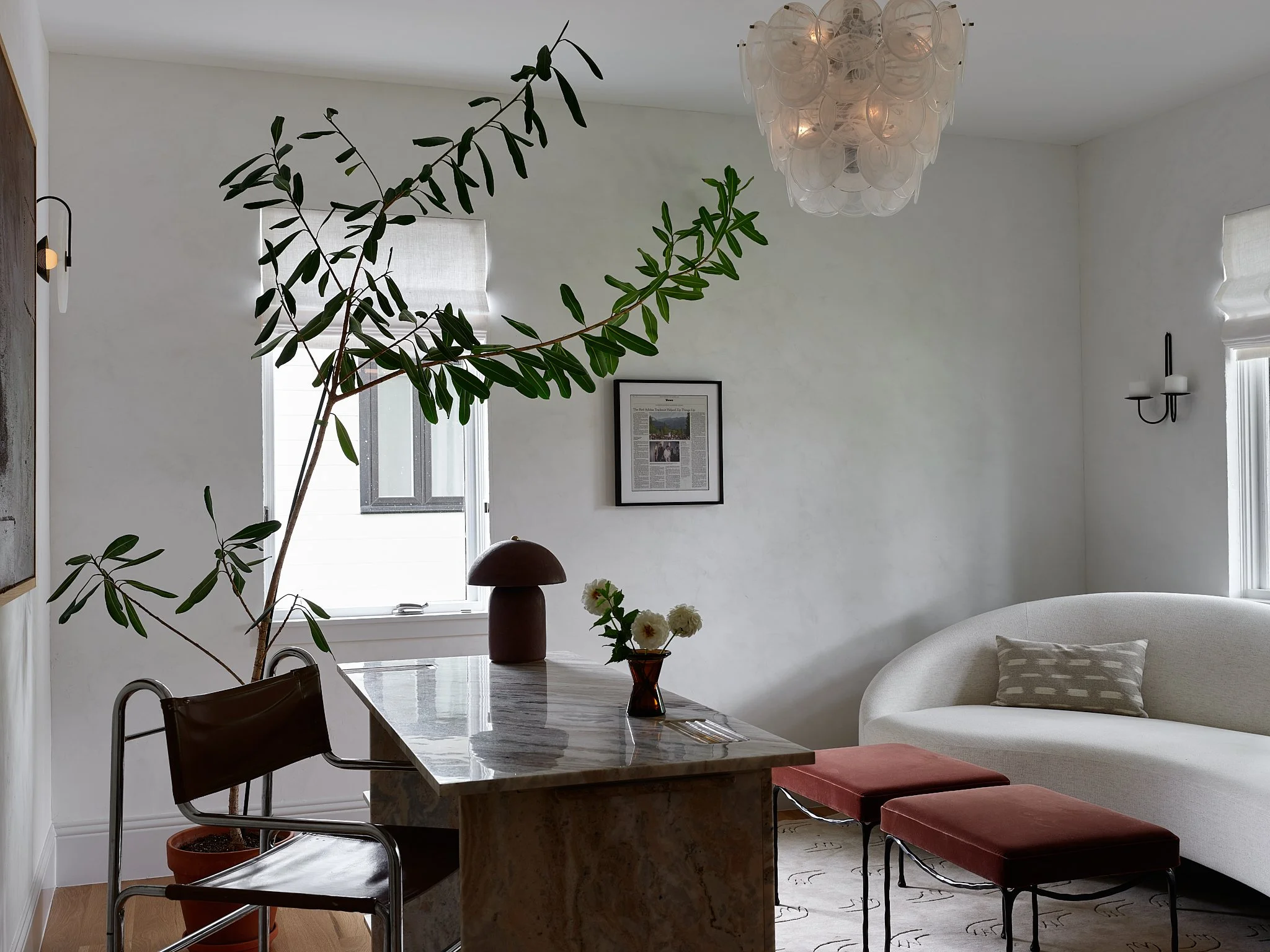
Spacing pieces thoughtfully throughout a home (alternating areas of detail with calm simplicity) ensures your spaces don’t feel chaotic or boxed in.
A Design Mindset Shift: Less Stuff, More Intention
Many homes instinctively fill every corner and wall. But a carefully edited room, one that values balance over abundance, feels more expensive, considered, and peaceful. Negative space in interior design is not minimalism by default; it’s intentional design.
This mindset shift doesn’t just improve how a room looks, it transforms how it feels.
Why This Matters for Your Next Project
As a full-service interior designer, part of my job is helping clients see beyond the impulse to add more. Instead, I guide them to consider space itself as a design element. This means:
Taking the work off your hands
Curating only what truly belongs
Managing the fine details so your home feels cohesive and effortless
Acting as your advocate through every design decision
Great design isn’t about filling every inch, it’s about making every inch meaningful. That’s the kind of thoughtful, curated environment my clients deserve.